1. Safety and scope
The team explains what it can handle and which parts, like testing a site where drugs were made, need a different plan.
Indian Springs, NV · Clark County
Worried about what a few pipes and baggies might have left on the floors and furniture? Call (877) 812-4220 in Indian Springs. Cleanup crews remove the items and treat surfaces where residue may remain.
If anyone is in danger, call 911 first. For a suicide crisis, call or text 988.
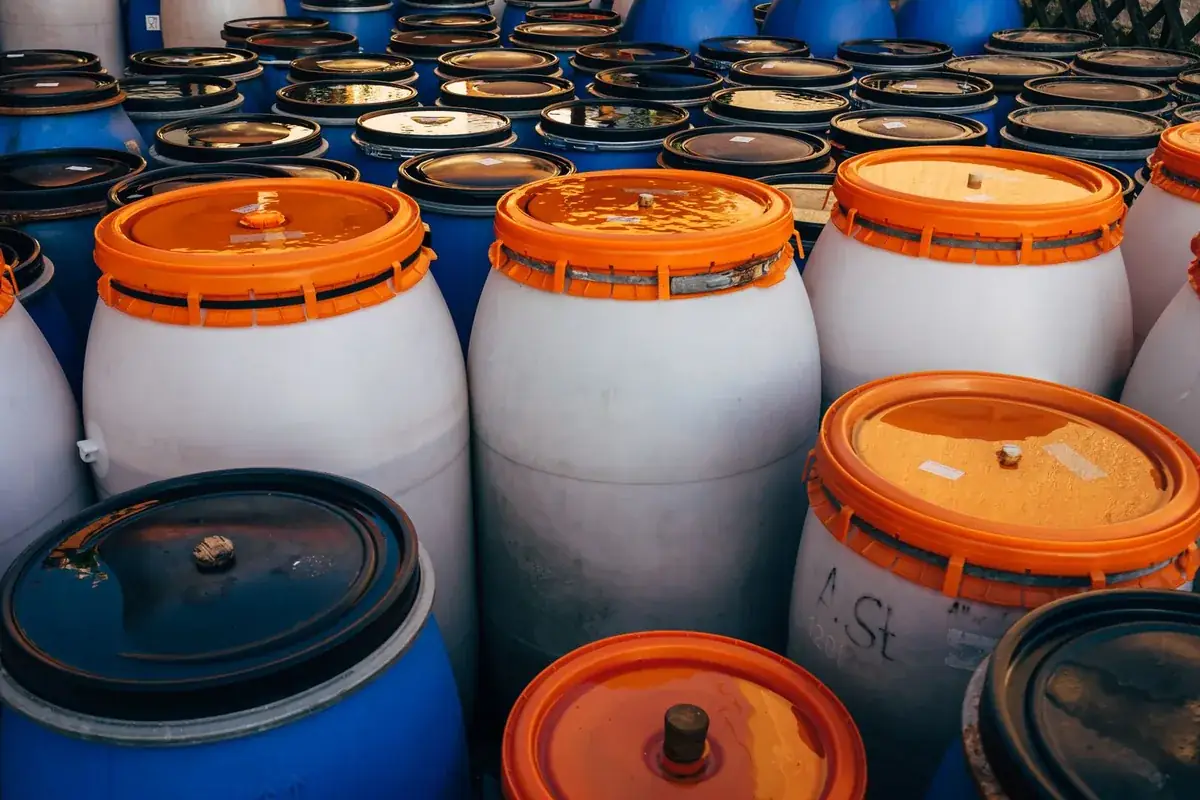
Paraphernalia removal is the first half of a drug use cleanup. Sharps go into puncture-resistant containers, other items are bagged and sealed, and everything is taken away as regulated waste.
You do not have to remove paraphernalia and residue on your own in Indian Springs or anywhere in Clark County. Call Indian Springs Biohazard Cleanup Help for biohazard cleanup crews. Protective gear, sealed containers and EPA-registered disinfectants are part of every job.
About 42% of households in Clark County rent. Whether you are an owner, a landlord or a family member, a cleanup team can help. If anyone is unresponsive or hurt, call 911. The nearest emergency room to Indian Springs is Centennial Hills Hospital Medical Center in Las Vegas, about 32 miles away.
A typical drug paraphernalia cleanup job includes:
The team explains what it can handle and which parts, like testing a site where drugs were made, need a different plan.
Items are removed room by room, so contaminated materials are not dragged through clean areas.
Floors, furniture and fixtures are cleaned. Porous materials that hold residue are cut out or removed.
A last pass checks for missed items, and the owner receives guidance on next steps.
The cost of drug paraphernalia cleanup in Indian Springs, NV depends on the amount of material, how it is packed and how it is hauled.
Access and travel matter. A unit with stairs, locked areas or a long drive takes more time to serve.
| Type of job | Typical range |
|---|
Published ranges only (); every drug paraphernalia cleanup job in Indian Springs is priced after an on-site look. Price drivers include amount of material, whether residue is present, surfaces affected, waste disposal. Questions? Call (877) 812-4220.
Crews wear protective gear, remove sharps and loose items, and then clean hard surfaces with EPA-registered disinfectants. Porous materials such as carpet, padding or upholstery that took in residue may be removed. The team can explain what applies to your space.
The price depends on the number of rooms and items, how much soft material must go, odor treatment, travel and access. A cleanup team can give a real price after hearing the details and should explain what is included before work begins.
Do not touch, sweep or smell it, and do not try to clean it up first. Keep children and pets away. If anyone touched or swallowed it, call Poison Control, or 911 in an emergency. Then call a cleanup team to remove it safely.
Often, yes. Many teams can arrive in an unmarked vehicle and work quietly. If privacy matters, ask about it when you call. The crew shares only what it needs to plan the work.
Police and the city do not usually clean the space afterward. The owner or the family books the cleanup once the scene is released. A cleanup team can work after the release and explain the steps. Ask the agency when the space is cleared.
It is safer not to. You often cannot tell what an item or residue is, and hidden sharps are a risk. Do not mix cleaning products. A cleanup team has the protective gear and containers to do it safely, without judgment.
Stay out of the space and let a cleanup team handle it.
Call (877) 812-4220